The shingles are on the driveway, the crew is ready to tear off, and the homeowner walks out and says that is not the color they picked. Now you are choosing between a restocking fee and a lost day, or installing a roof the customer will dislike for the next 25 years.
Most selection problems do not come from indecisive homeowners. They come from a process where the color was chosen out loud at the kitchen table, written on a notepad, and passed along by memory to the person who placed the material order. This post walks through how to run roofing color and product selections so the order matches what the customer actually chose, in writing, before anything ships.
Where Selection Mistakes Come From
Look at the last few jobs where the color or product was wrong, or where the customer changed their mind after the order went in. The causes tend to repeat:
- The homeowner picked from a small sample chip in bright sun and saw the full roof in shade
- The sales rep wrote down the color name, but not the manufacturer or product line
- Two manufacturers use the same color name for different looks
- The spouse who was not at the appointment never saw the choice
- Drip edge, gutters and vents were never selected, so the crew guessed
- An upgrade was picked but never priced, so the contract and the order disagree
- Nobody could show later what the customer actually chose and when
Every one of these is a documentation problem. Fix how selections are offered, recorded and signed, and most of the reorders go away.
Decide What Needs a Selection
Shingle color is the obvious one, but it is rarely the only choice that affects the order. Before the appointment, decide which items the customer picks and which ones your company standardizes. A typical residential re-roof list looks like this:
- Shingle manufacturer, product line and color
- Drip edge and edge metal color
- Ridge cap, if it is a separate product from the field shingle
- Ridge vent, box vents or other ventilation
- Pipe boots and other penetration flashings, if you offer upgrades
- Gutter and downspout color, if gutters are in scope
- Skylight replacement or flashing kits, if they apply
On metal roofing, the list grows: panel profile, gauge, finish, trim colors, and sometimes a separate color for the ridge and rakes. On low-slope work, the choice may be membrane type and color, TPO or PVC, white or tan, with the insulation and attachment set by the spec rather than the owner.
Anything you do not list here is a guess on order day. If your company always uses one color of drip edge unless asked, say so in the proposal so it is still a documented decision.
Offer Choices in Tiers, Not an Open Catalog
Handing a homeowner a full manufacturer brochure with 40 colors and five product lines slows the sale and invites second-guessing. A short set of choices grouped into good, better and best tiers works better for most residential jobs.
Each tier should be a complete package, not just a shingle. For example, a good tier might be a standard architectural shingle with your standard underlayment and ventilation. A better tier might move to a heavier shingle line with an upgraded underlayment. A best tier might add a premium product line and the manufacturer's enhanced warranty, where your company is eligible to offer it.
Inside each tier, show the colors you actually stock or can get from your supplier in a normal lead time. Leaving a color off the list is better than selling one you cannot get for six weeks.
Tiers also make pricing honest. The customer sees what each step up costs and what it includes. That beats a rep quoting an upgrade price from memory and the office finding out later that it did not cover the extra material.
Show Real Pictures, Not Just Names
Color names are marketing. "Weathered Wood" and "Driftwood" mean different things from different manufacturers, and a homeowner remembers the picture, not the name. Every choice you offer should carry:
- The manufacturer and product line
- The color name exactly as the supplier lists it
- A swatch or photo of the product
- Where possible, a photo of a finished roof in that color
Encourage the customer to look at a full sample board outside, in both sun and shade, and to drive past a house with the same color if you know of one. That is ten minutes of effort that prevents the most common complaint in residential roofing.
Get the Selection Signed, Not Just Agreed
A verbal "let's go with the charcoal" is not a selection. A selection is a written record that names the product and color, shows any price difference, and carries the customer's signature and date.
This matters most when the selection changes the price. If the customer moves from the good tier to the best tier after the proposal is signed, that is a change in scope and contract value. Treat it the same way you would treat any other change: put it in writing, show the new price, and get it signed before you order. Our post on getting roofing change orders paid covers why the signature has to come before the work, not after.
Signed selections also protect you later. If the homeowner says they never picked that color, you can show exactly what they chose and when. On insurance jobs, it also shows which upgrades the homeowner paid for out of pocket and which items were part of the claim.
Let Both Decision Makers See the Choice
A lot of selection changes happen because one person picked the color at the appointment and the other person saw it for the first time on the delivery truck. You cannot always get both homeowners to the kitchen table, but you can give them both a way to see the choice before it is final.
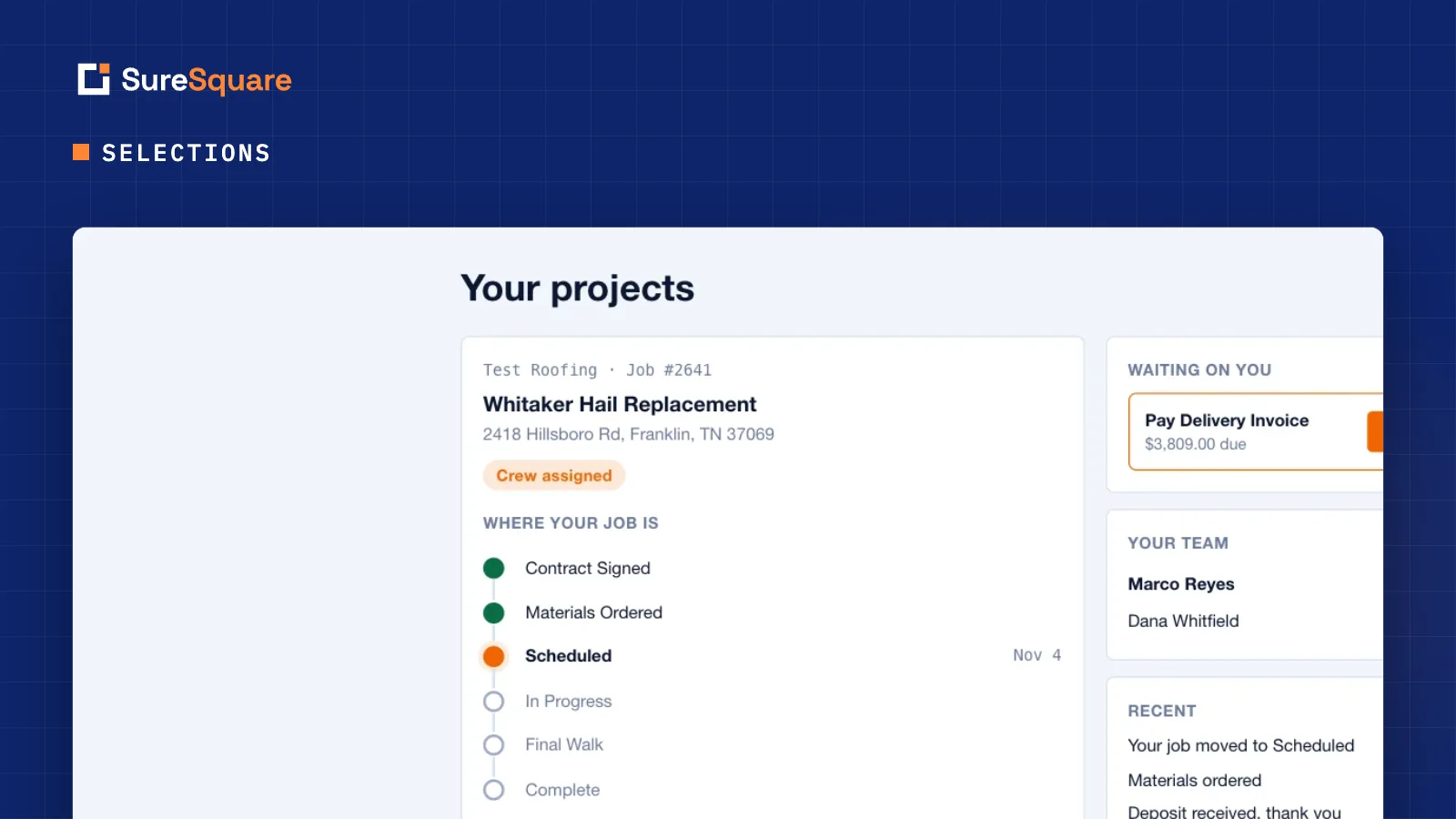
A customer portal where homeowners log in to see their documents and selections gives the second decision maker a chance to weigh in while a change is still free. Our post on what a roofing customer portal should show homeowners goes deeper on that.
Set a clear selection deadline tied to the material order. Tell the customer the date the order goes in and that changes after that date may carry a restocking charge or a schedule delay. Put that date in writing.
Connect the Selection to the Order and the Budget
The last handoff is where good selections still go wrong. The customer picked and signed the right color, and the person placing the order typed something else.
Keep the signed selection on the job, in the same place as the estimate and the material order, so whoever builds the order works from the signed record and not from a note. Before the order is sent, check it against the selection line by line: manufacturer, product line, color, ridge cap, drip edge color, vents.
If an upgrade changed the price, make sure the job budget changed with it. Otherwise the office is tracking margin against an estimate the customer no longer agrees with, and an upgrade that should have added profit can quietly eat it.
A Simple Selection Checklist
- List every item the customer picks for this job type before the appointment
- Offer a short set of tiered packages with real photos and exact supplier names
- Show only colors you can get in a normal lead time
- Record the manufacturer, product line and color for every choice
- Price any upgrade on the spot and get it signed as a change
- Give both decision makers a way to see the choice before the order date
- Set and communicate a selection deadline
- Build the material order from the signed selection and check it before sending
- Update the job budget when a selection changes the price
How SureSquare CRM Handles Selections
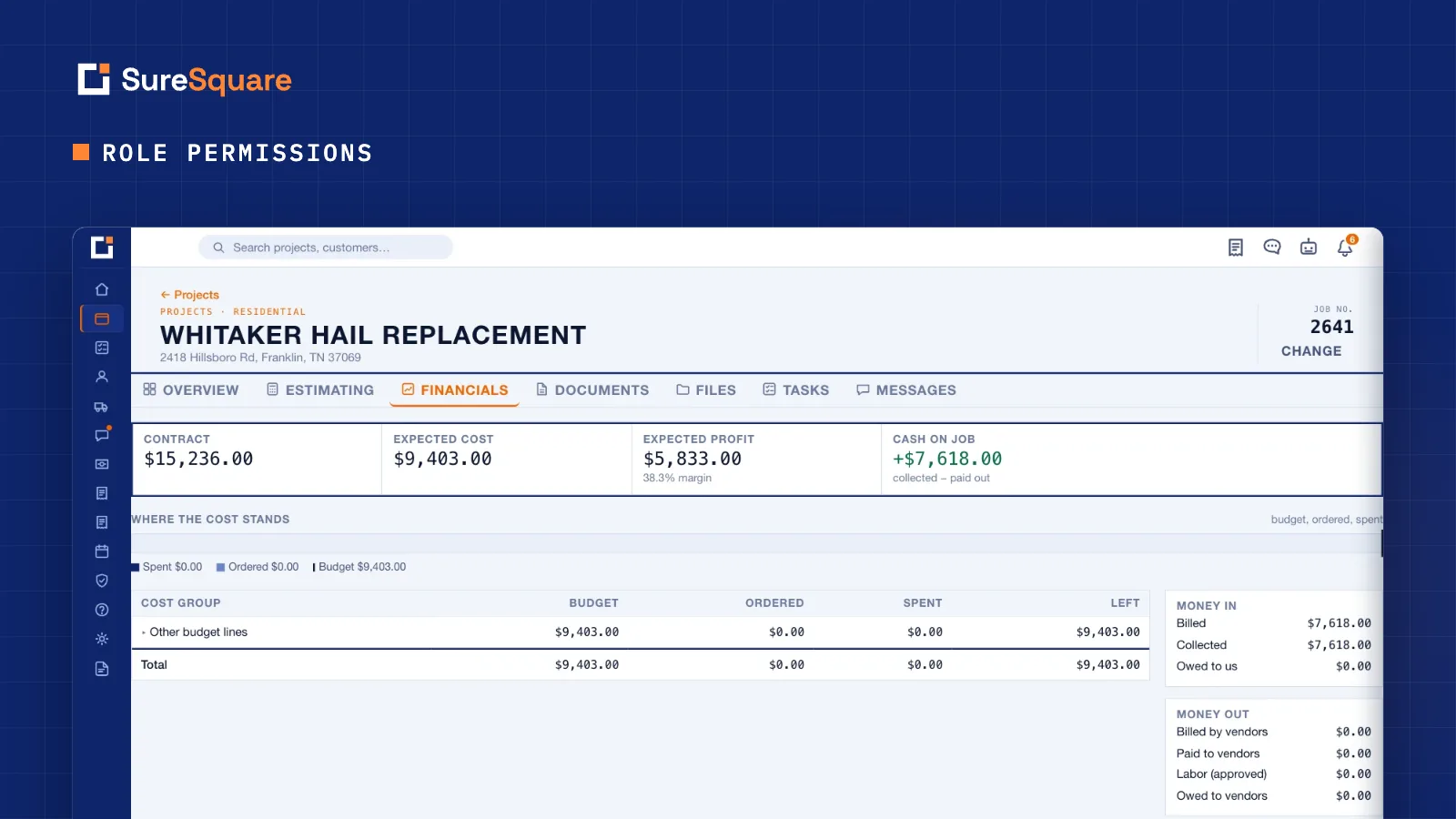
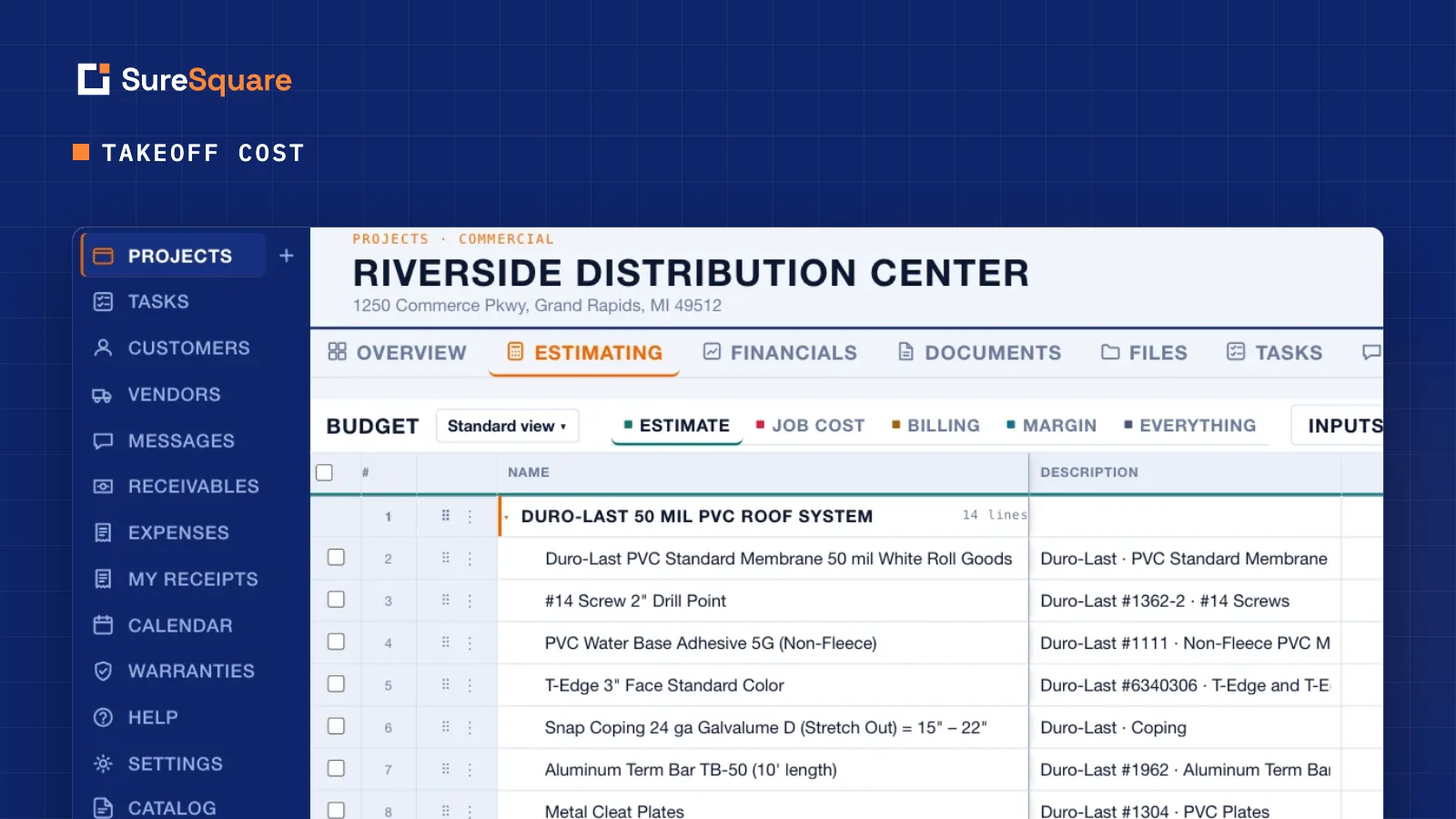
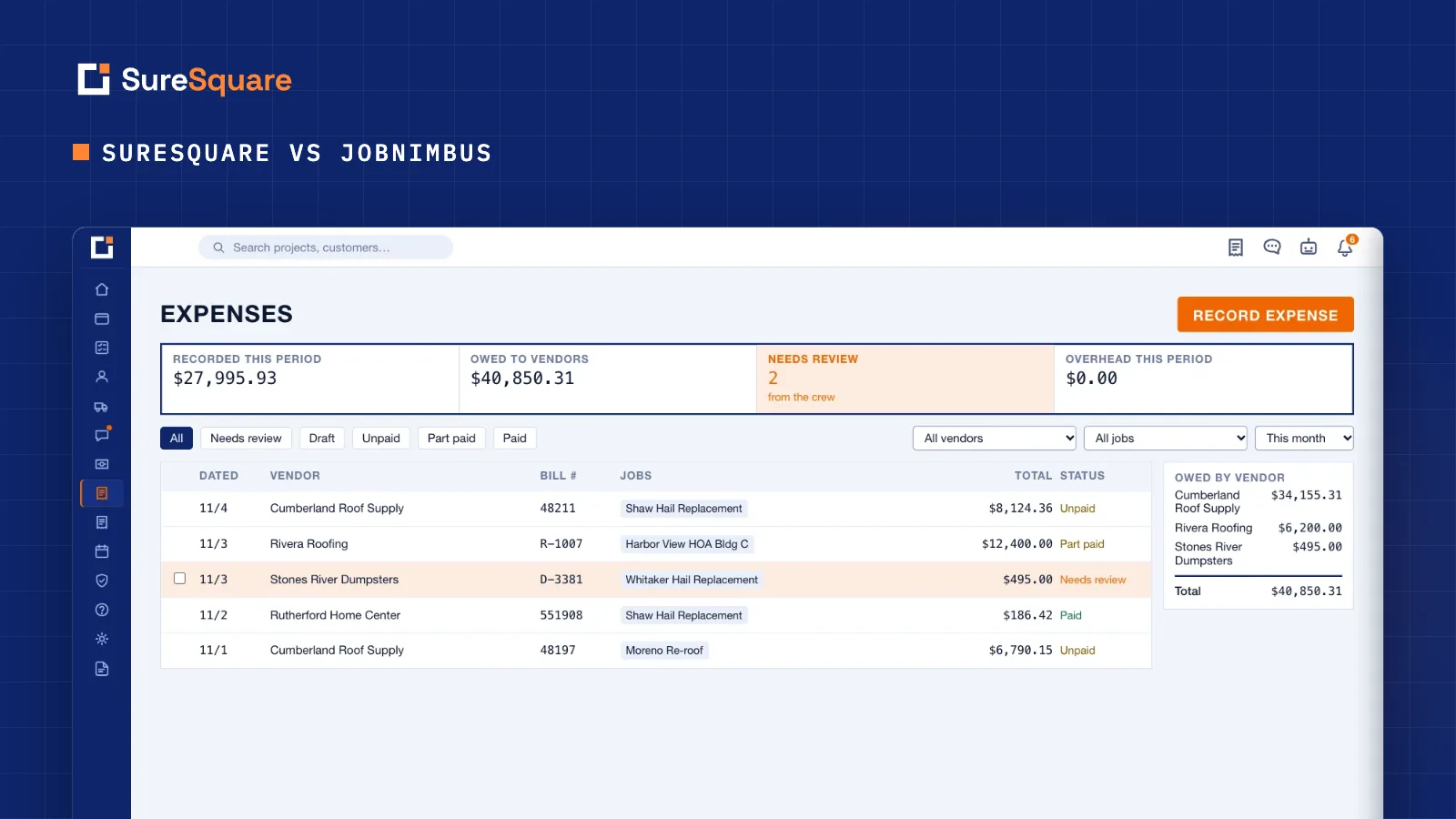
SureSquare CRM includes visual selections where customers pick colors and products from your own palettes, in good, better and best tiers, through a customer portal with its own login. When a customer signs a selection, it becomes a change order automatically and updates the job budget, so the price, the paperwork and the margin stay in line with what the homeowner chose. You can see the rest of what it does on the SureSquare CRM page.
Whatever tools you use, the rule is the same: no material order goes out until the selection is written down, priced and signed. That one habit prevents most wrong-color deliveries and the reorders that come with them.